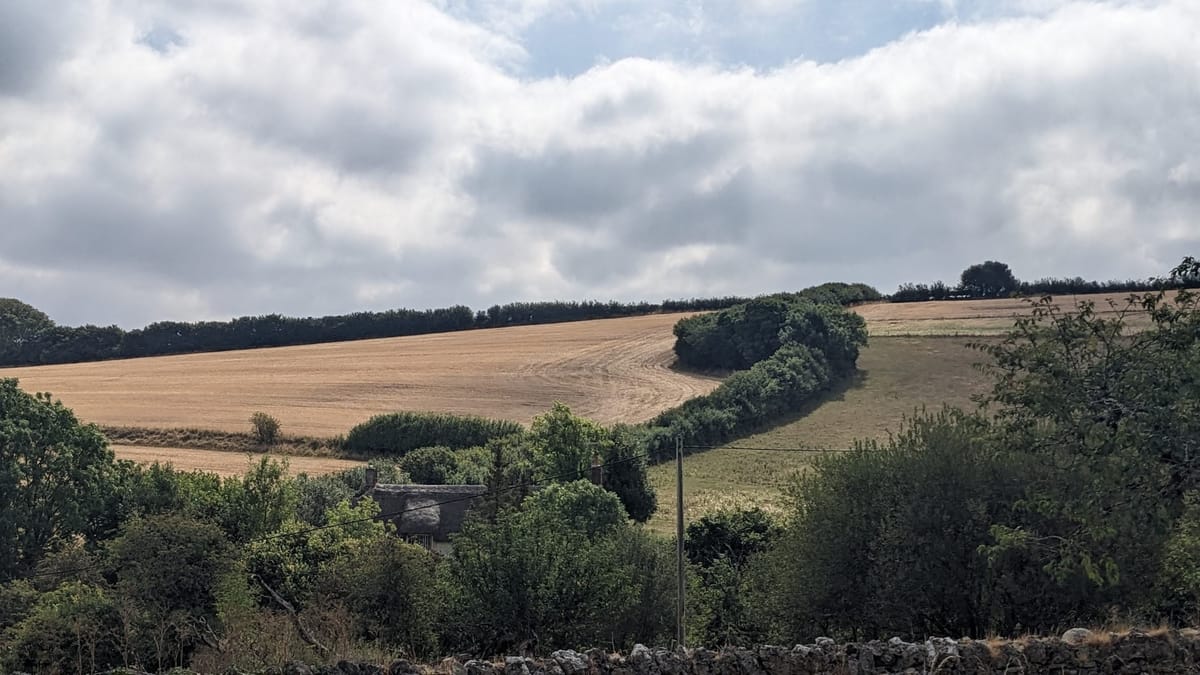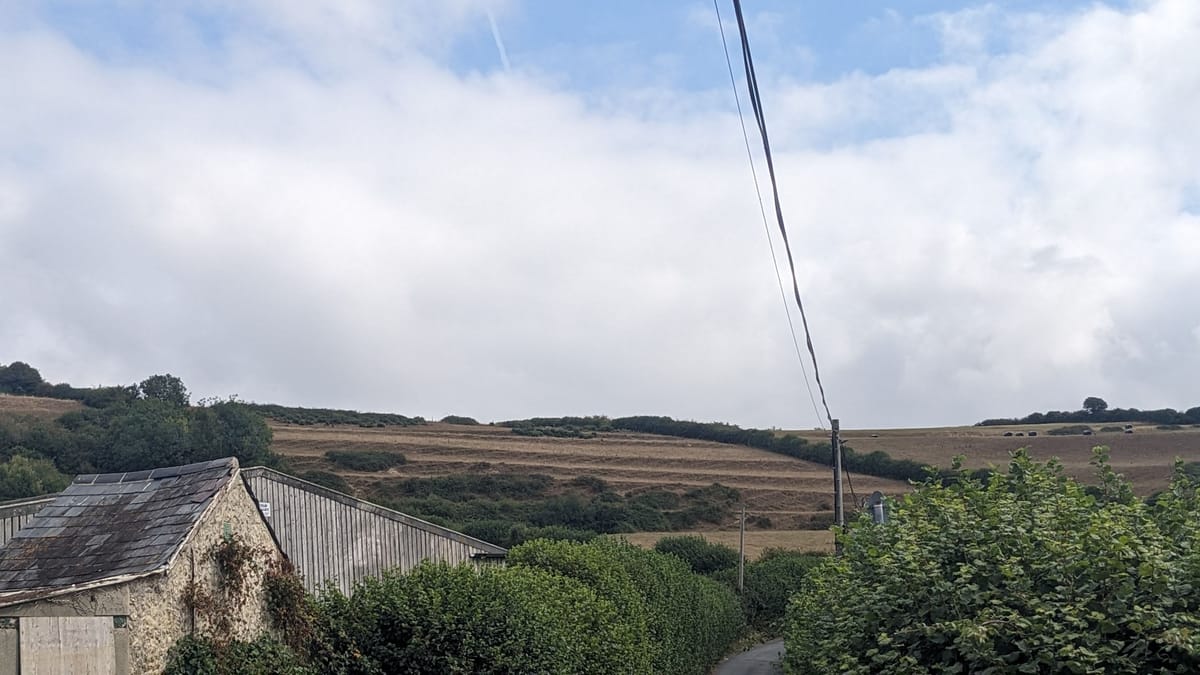
With no plan in mind, I have now left the high road and am taking a lane less travelled. It is edged by high hedges, with occasional breaks offering glimpses of the rolling West Dorset countryside. As the lane gets even narrower, I go under a narrow, brick-built railway bridge and see a few houses on my right, which have a rather lived-in look about them. There are a few old cars in the lay-by and what looks like a stash of building materials. As I round another narrow corner, the lane ahead appears to have turned into a track that seems to disappear into a wood. To my right, though, the lane continues, so, in good Wessex Wandering style, I follow it. After a couple of hundred yards or so, I am rewarded with the discovery of somewhere really quite remarkable.
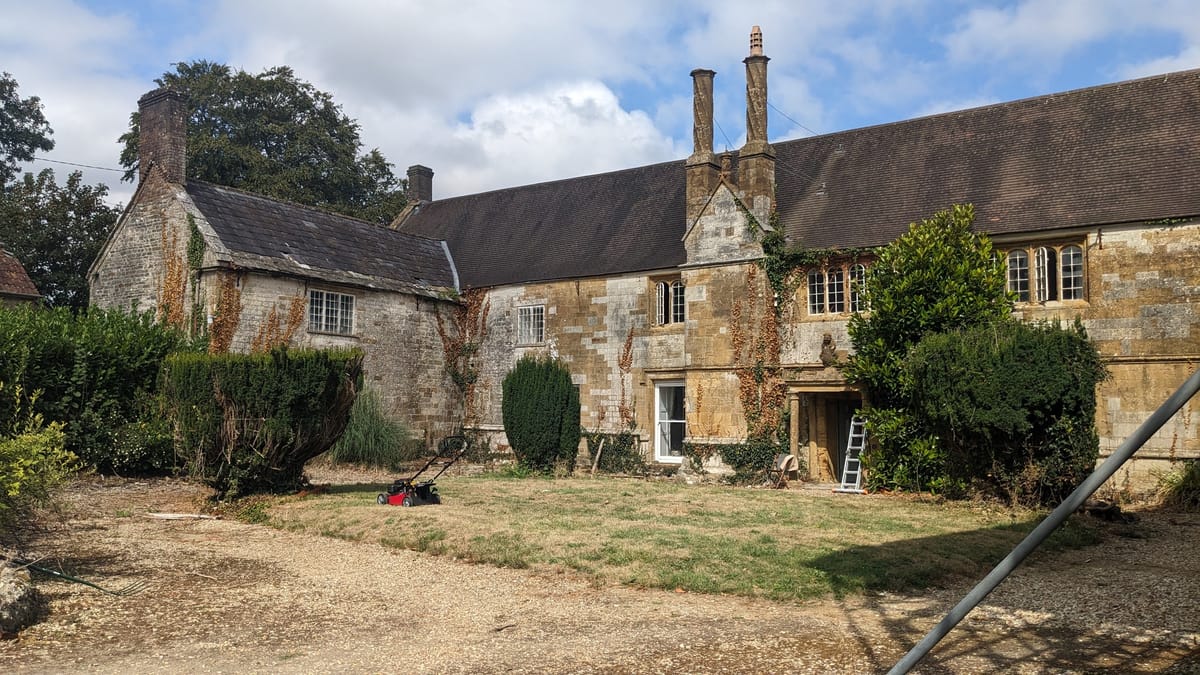
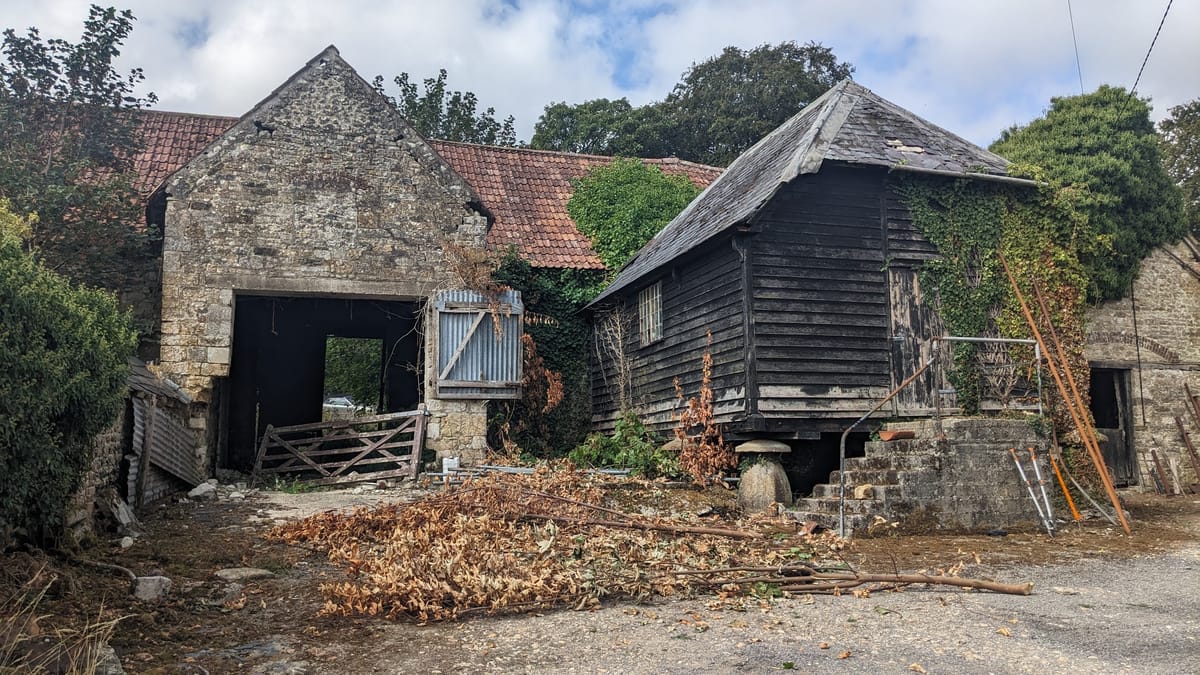
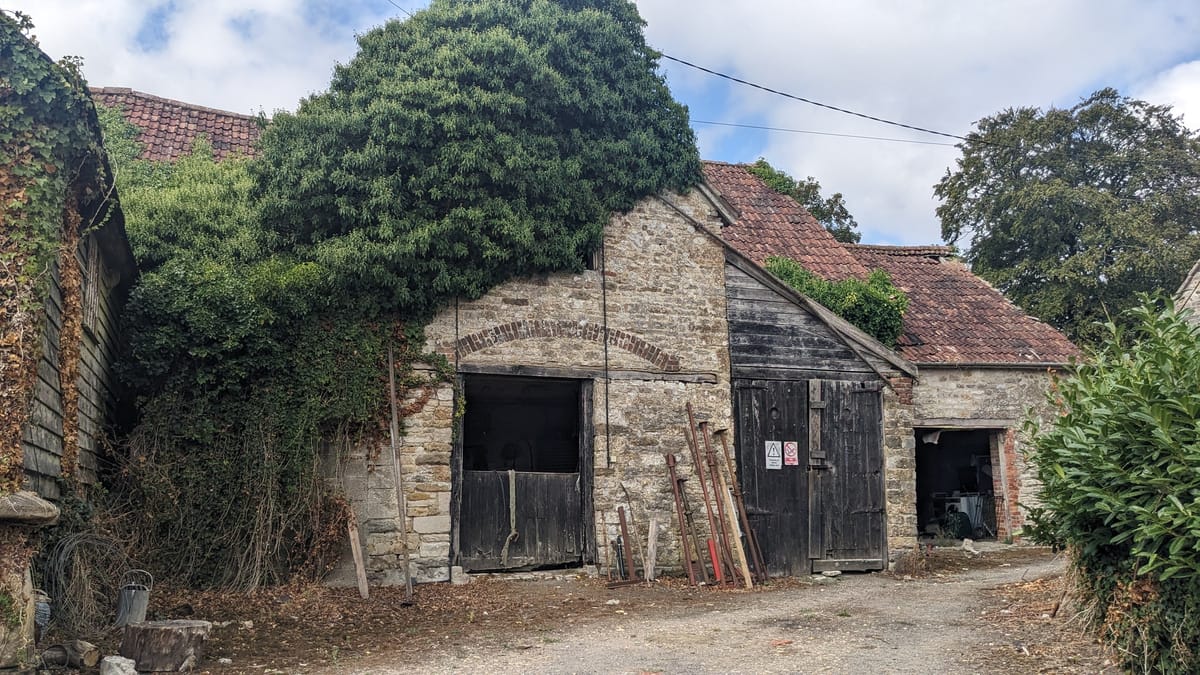
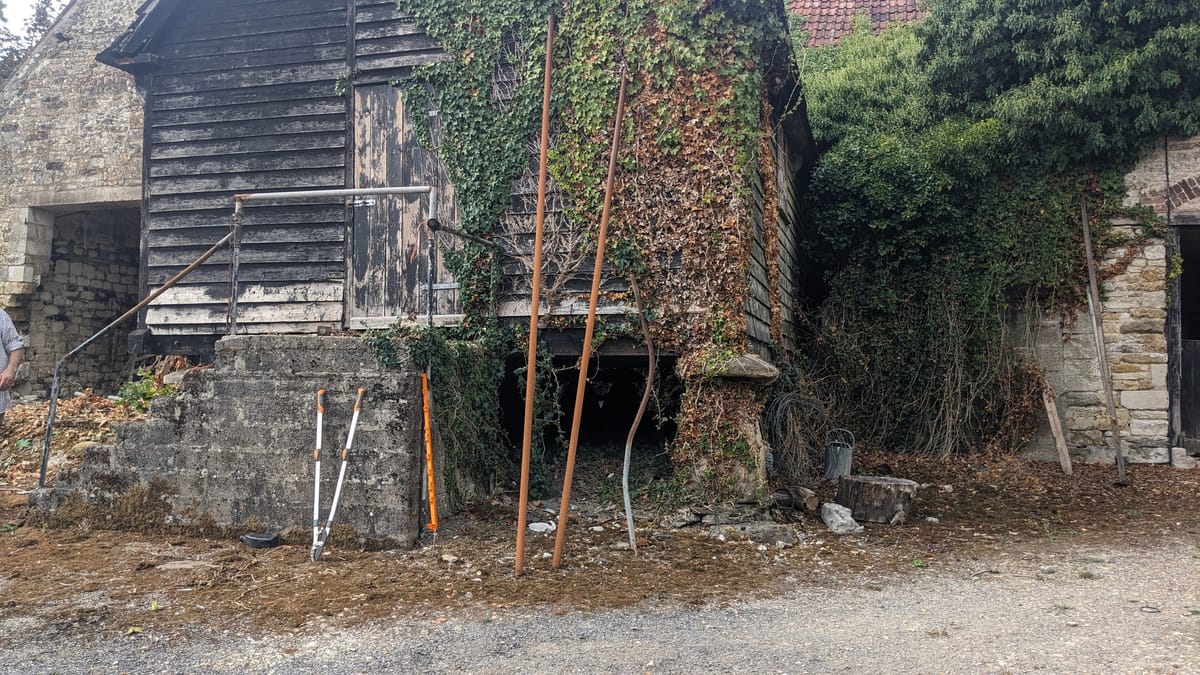
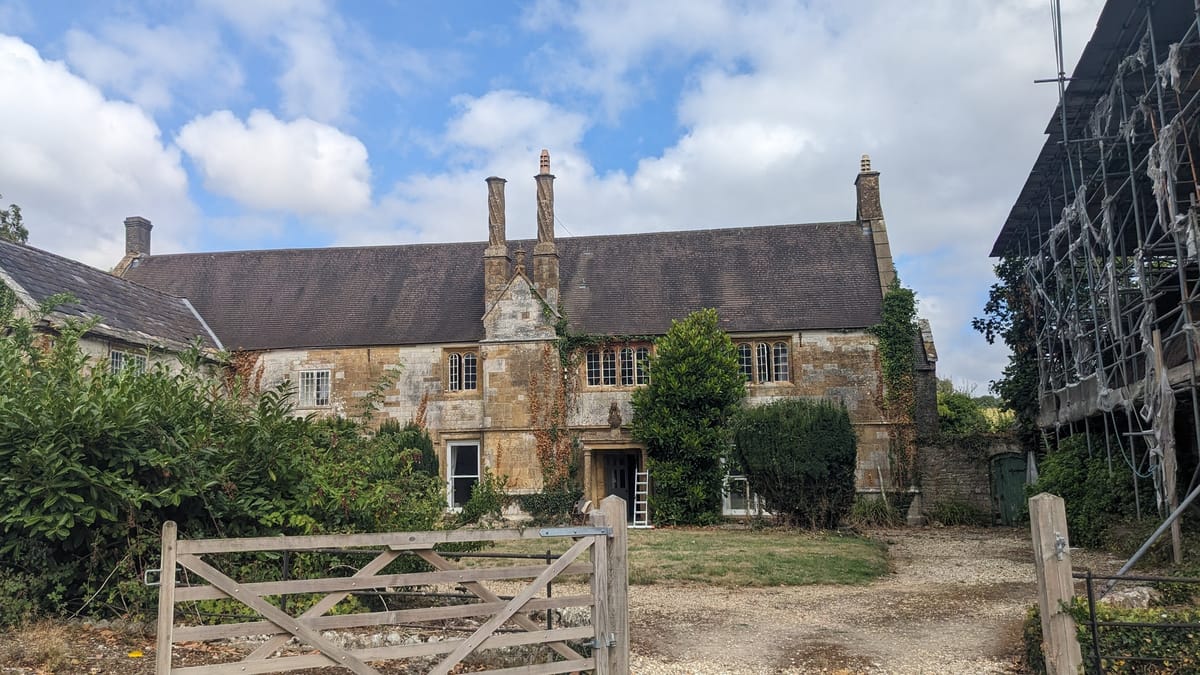
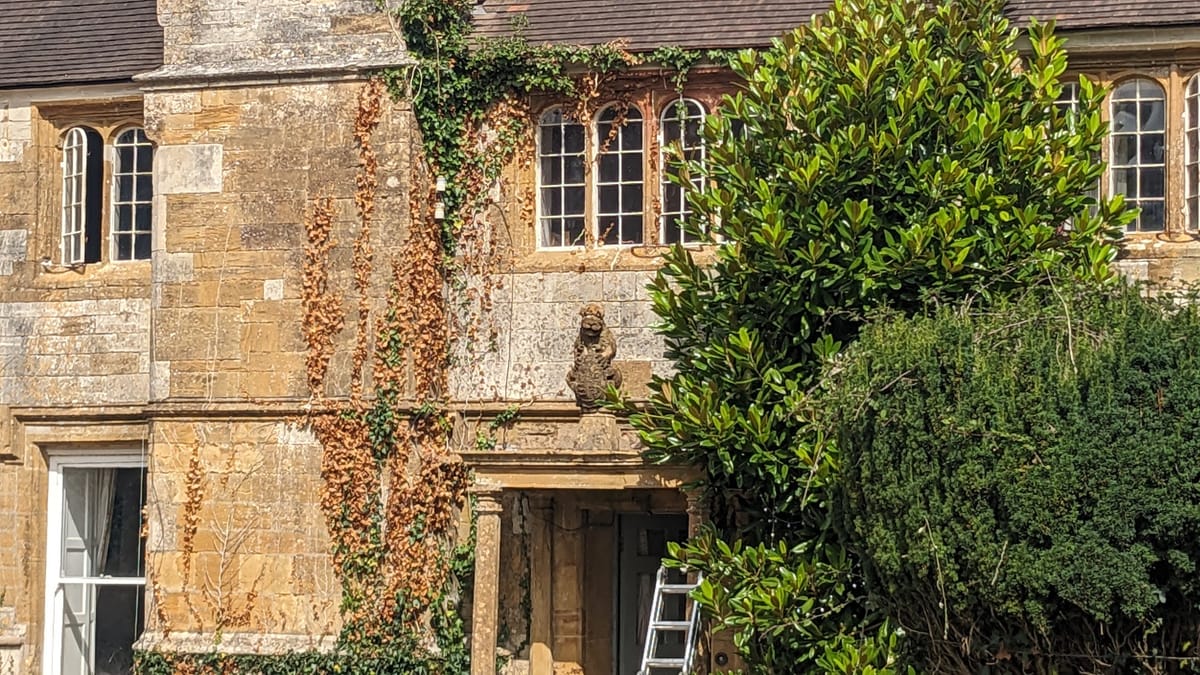
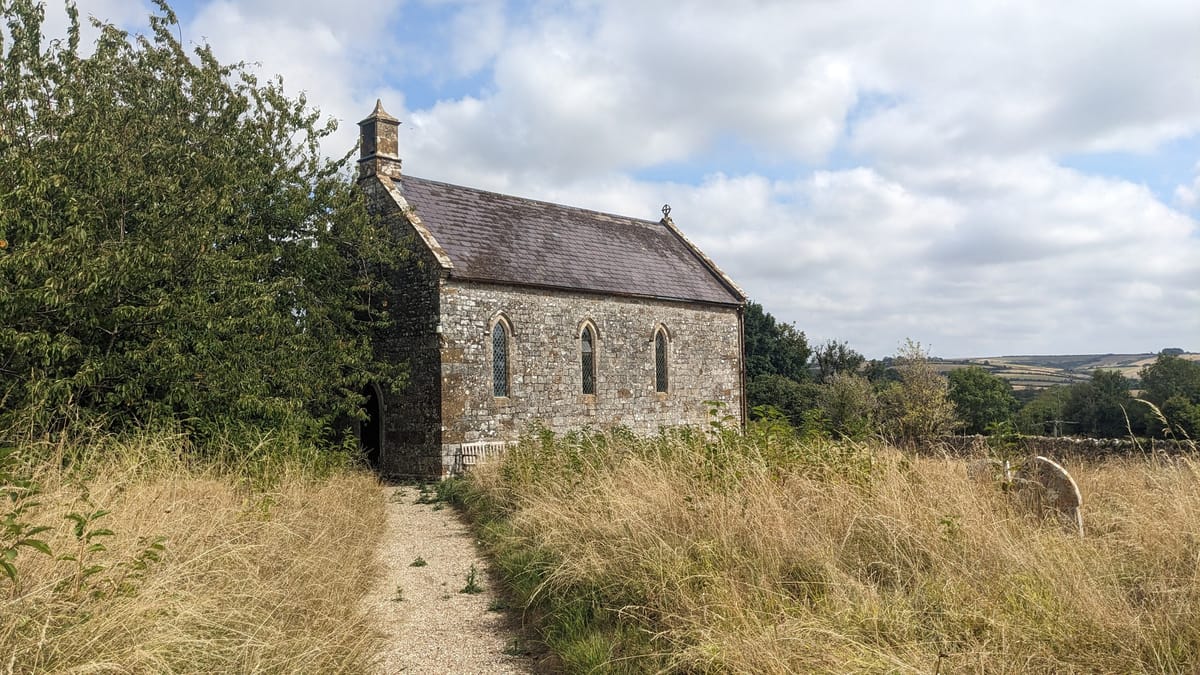
Before me stands a stunning Tudor farmhouse, alongside a range of farm buildings that are probably older and would most likely have been thatched. To the right is a churchyard enclosed by stone walls, in the centre of which stands what appears to be a single-cell, chapel-style church. We have arrived at Tolre, the name recorded in Domesday, which derives from the Celtic or Brittonic word for the local brook, probably meaning 'a stream in a deep valley'. This brook became known as the River Toller, before gradually being renamed the River Hooke, possibly sometime in the 15th century.
It was to this small, but presumably productive, place that members of the Order of the Knights of St John came and settled in the 12th century.
With the arrival of the Knights Hospitallers, the name of this hamlet gradually became known as Toller Fratrum - the Toller of the Brothers. It is also referred to as Little Toller.
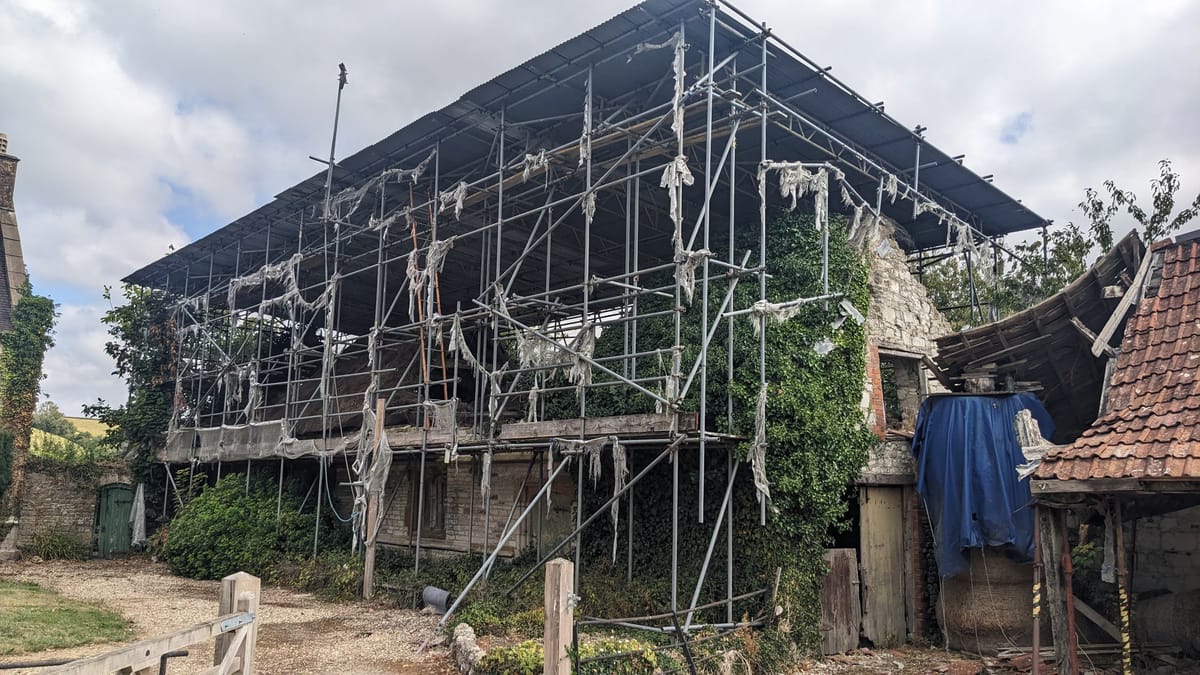
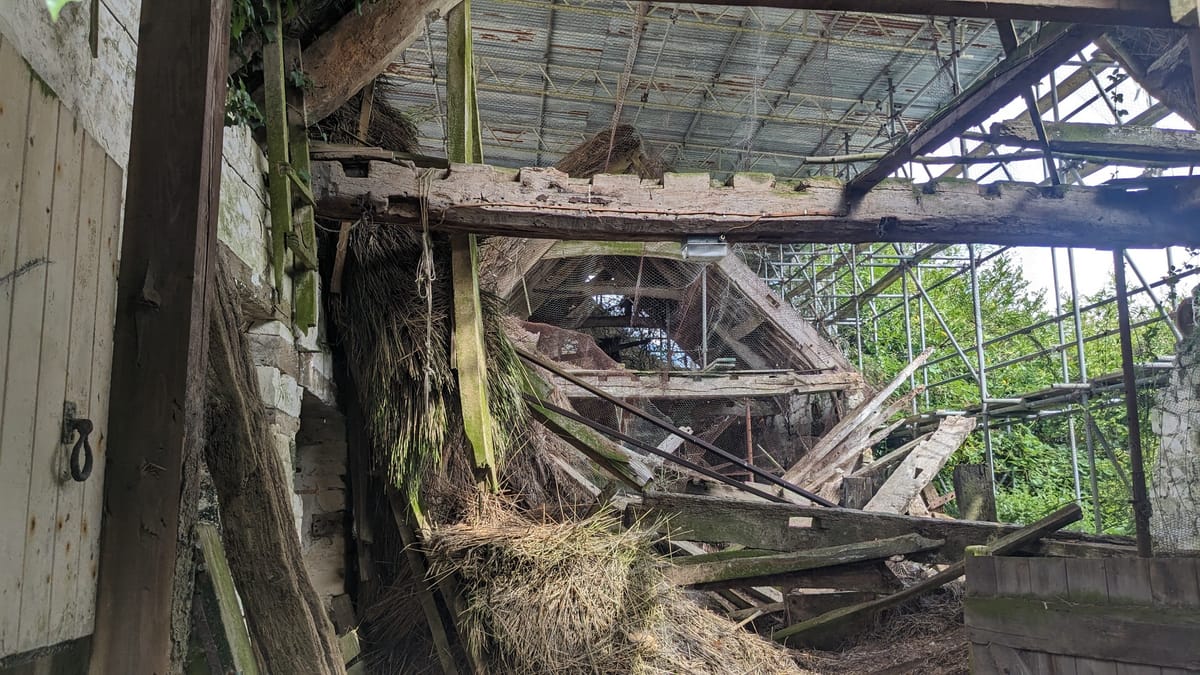
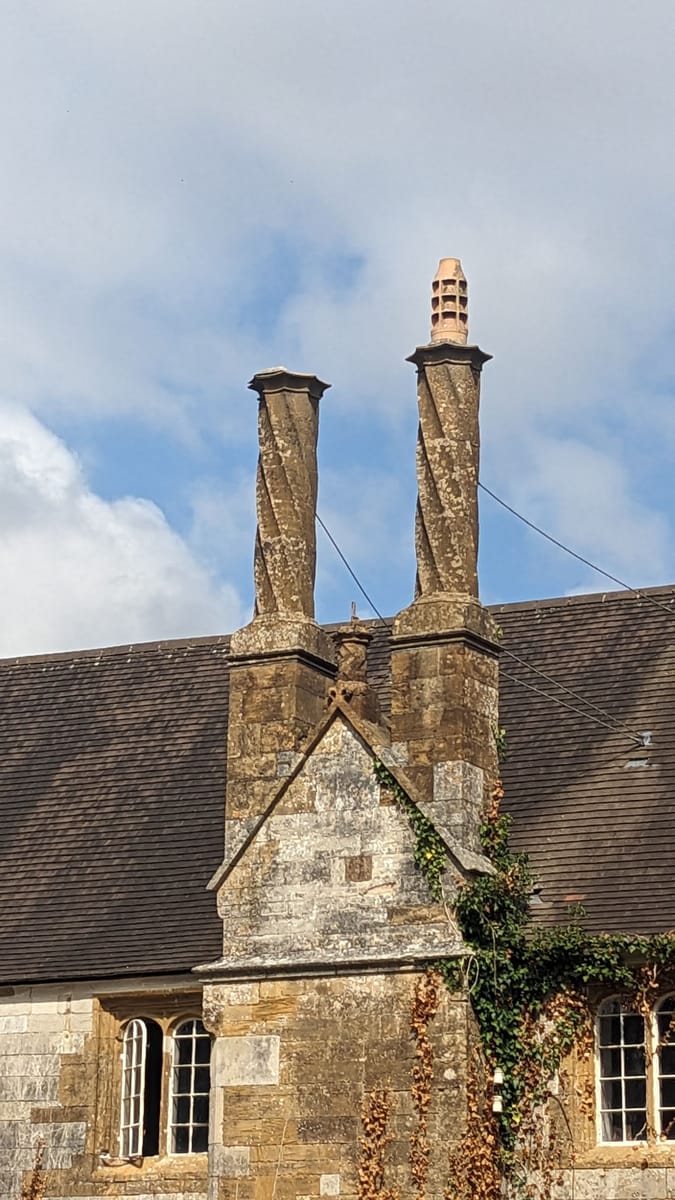
Following the Dissolution of the Monasteries by Henry VIII, the manor came into the possession of John Samways in 1539/40, and the house standing before me today - Little Toller Farmhouse (Grade II*) - was built by him in the 1550s. Built on the monastic site, the large barn to the right of the farmhouse is thought to have originally been the refectory building. A survey carried out in 2016, following damage caused by a fire in July 2015, found that parts of the building were structurally unstable. During the survey, dendrochronological analysis (tree-ring dating) established that the eastern and central parts of the roof were constructed using timber felled and cut in a single episode in the mid-1550s. Despite the fire damage, most of the original 16th-century fabric remains in place.
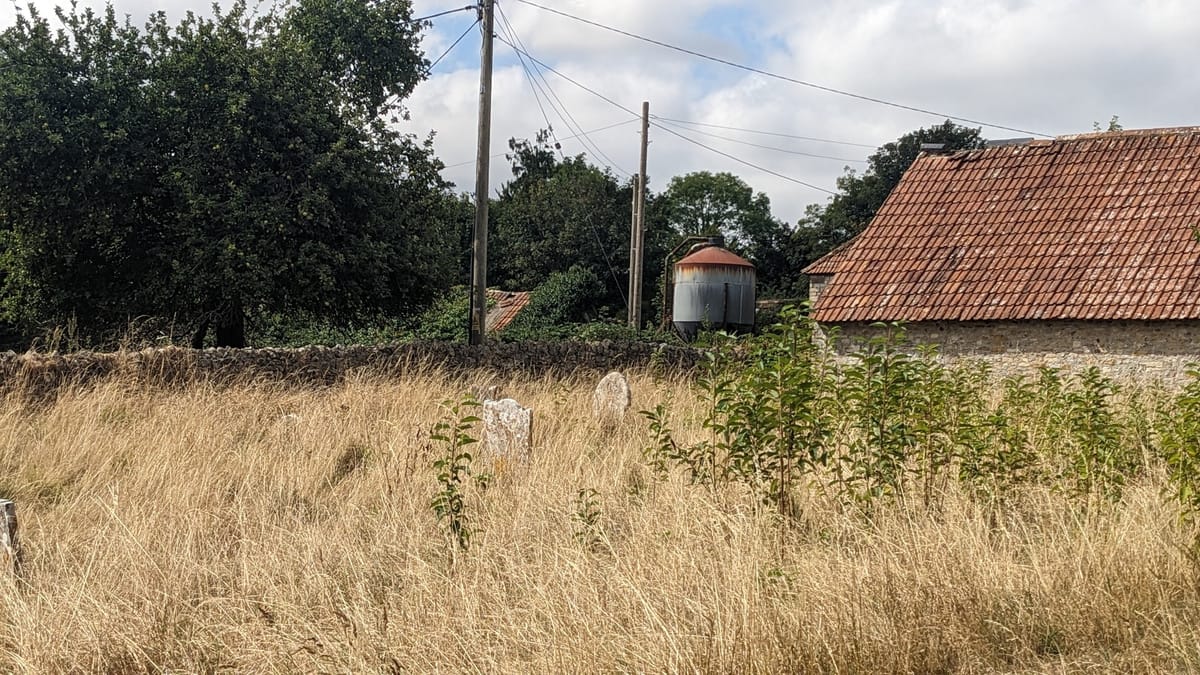
The buildings now form what I would describe as a loose courtyard layout and, in my view, are quite lovely. Sadly, many of the buildings are in a severe state of disrepair, although work is obviously under way, so hopefully, in time, they will be rescued from oblivion. It will, though, I feel, be a very costly project, but certainly a worthwhile one.
Now, turning to my right and entering the churchyard, I have a definite impression that this is a very old site. The area is semicircular, which may suggest an Anglo-Saxon or even earlier origin. Within a mile, there is a Bronze Age burial site and visible evidence of a medieval field system. The churchyard is also on a promontory, so all these factors lead me to think that there is probably a wealth of evidence about the site's origins still waiting to be discovered.
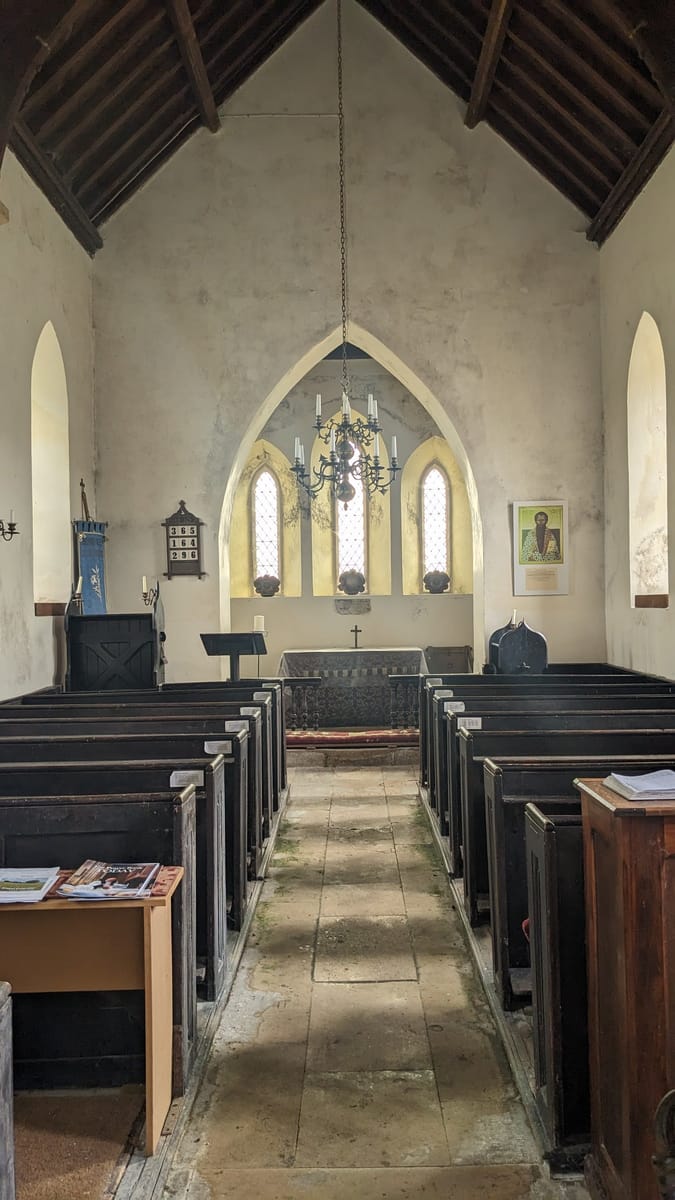
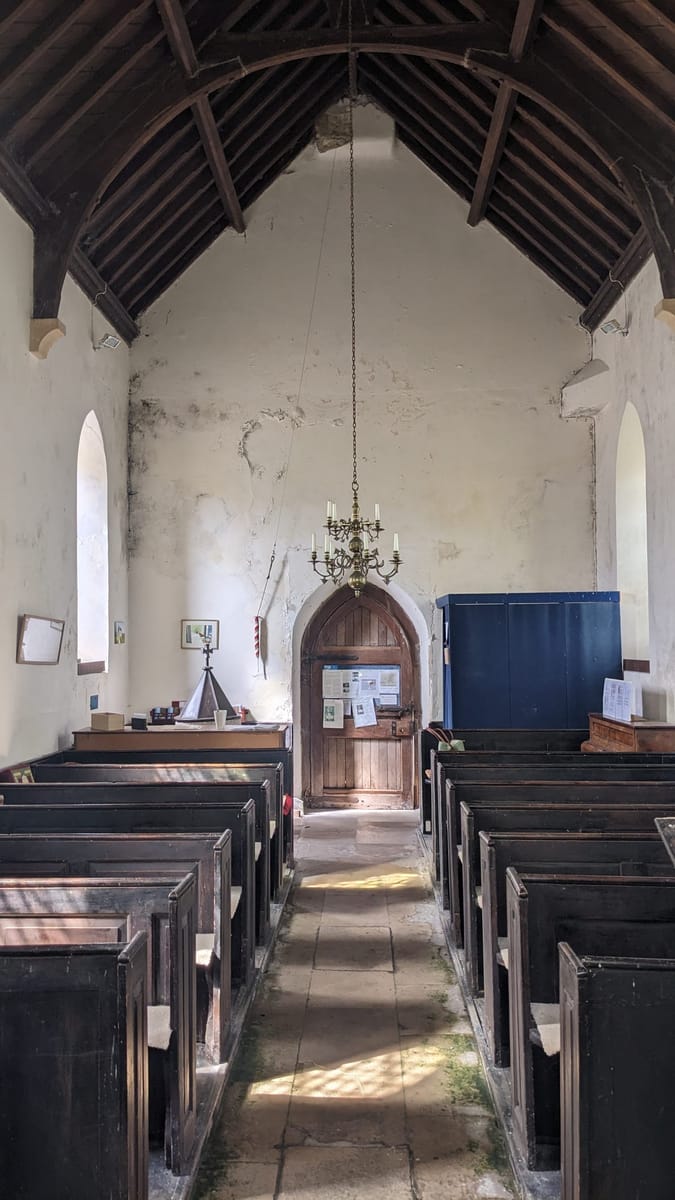
I think this is one of only two churches in England dedicated to St Basil. This little church is a single-cell building with a small bell tower. Although rebuilt in the 1800s, it retains some of its 12th-century origins and is highly likely to have its roots in pre-Conquest soil. Records suggest that it was once much larger, with a ring of two bells in the tower and tombs in the chancel. The building we see today is almost certainly built on the foundations of the preceptory chapel where the Hospitallers worshipped. The knights would have been buried nearby, although no trace of their burial ground is visible, nor is there any visible evidence of the burial places of the Samways family or those who came after them.
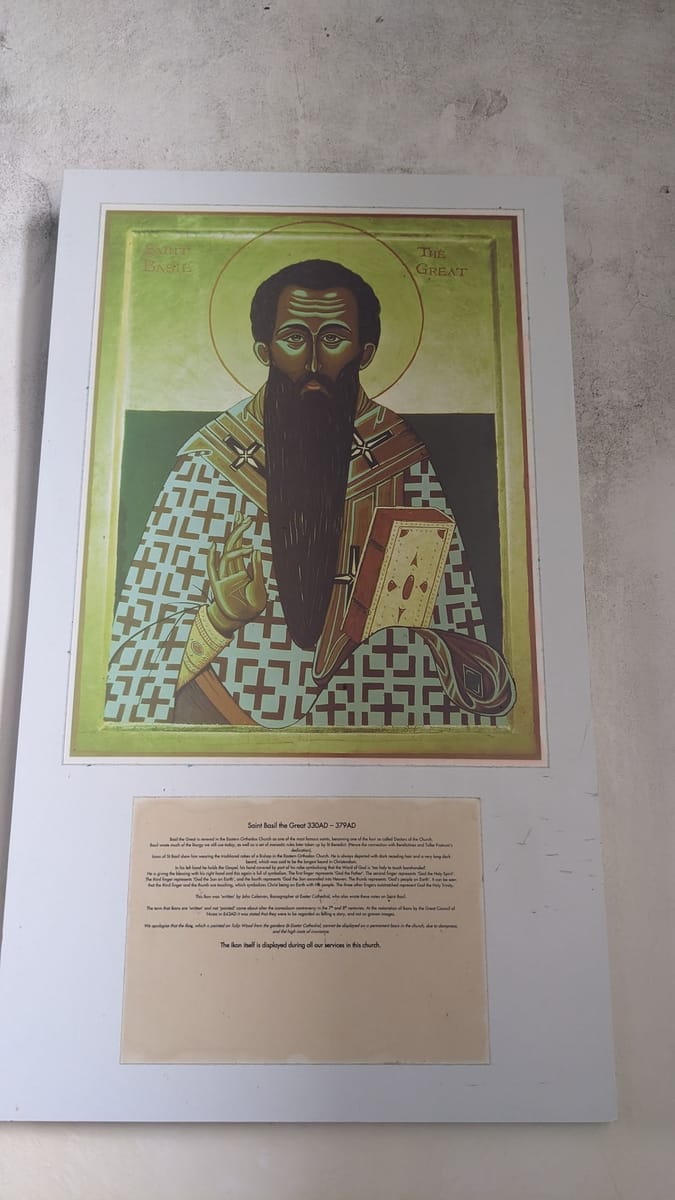
It was the Knights Hospitallers who dedicated their church to St Basil, who, apart from being the patron saint of Russia - which is highly likely to be a full-time job, in my view - is also the patron saint of hospital administrators, monks and church reformers.
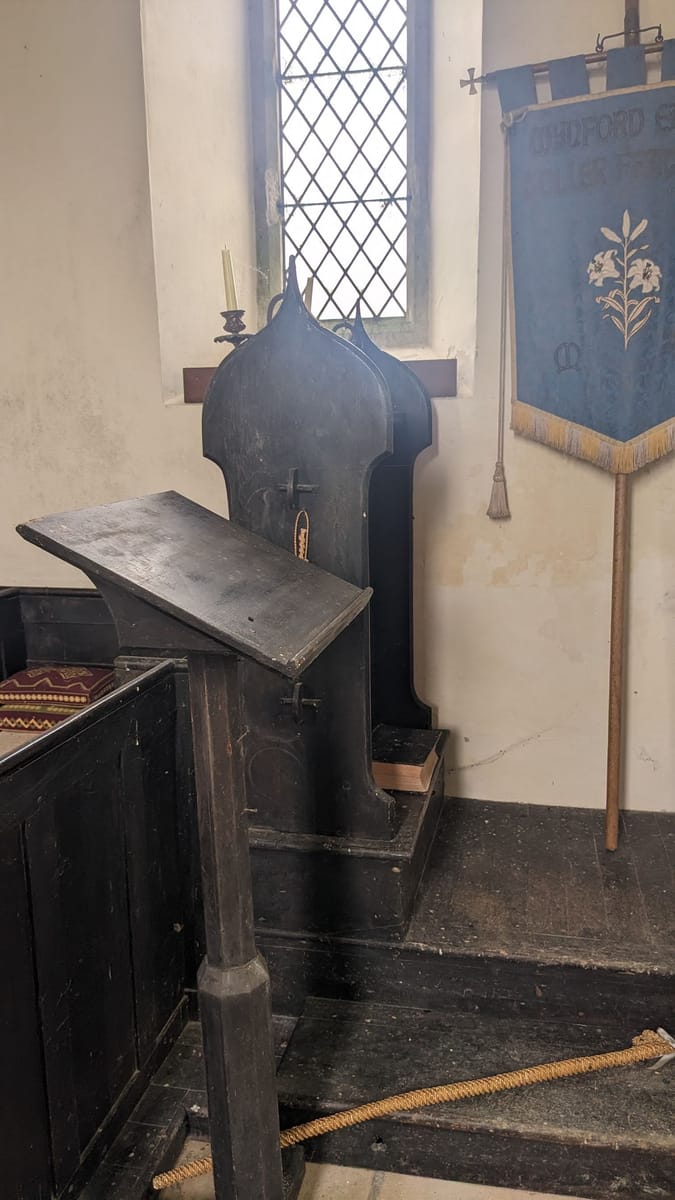
Internally, this is a simple church, with 17th-century altar rails, an 18th-century table altar, a lectern and a simple pulpit. Yet here, in this little country church, tucked away down a long lane in deepest Dorset, we find some very unusual surprises.
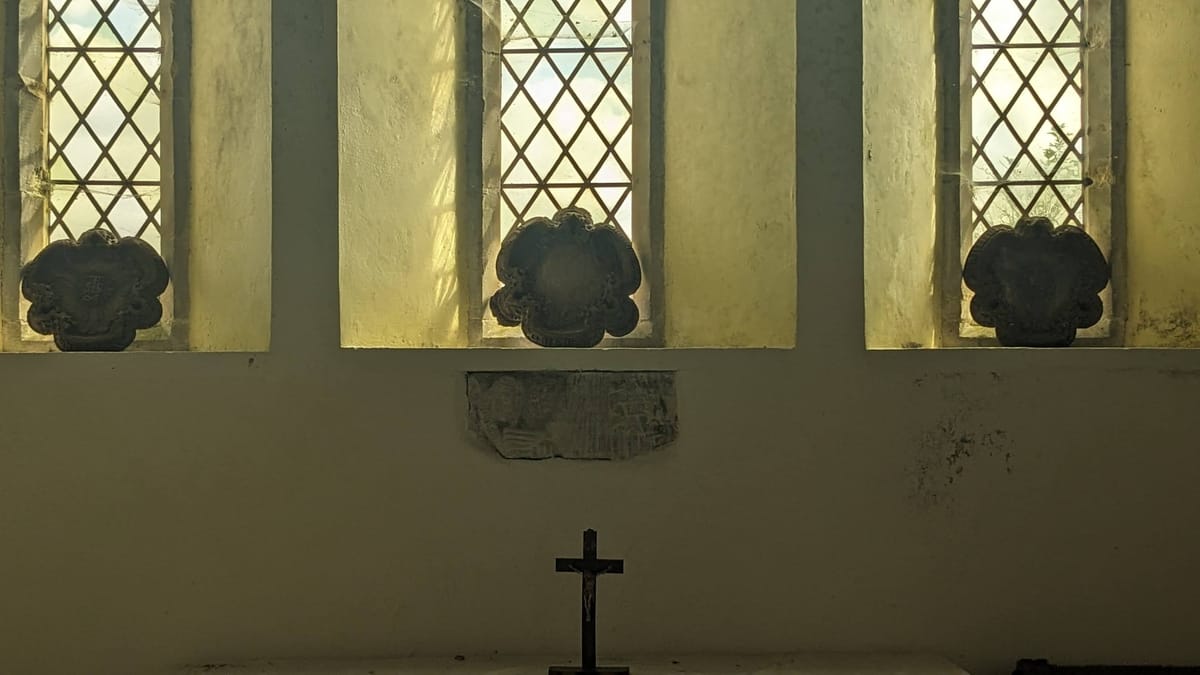
Firstly, just above the altar is a stone carving, dated to the first half of the 11th century, depicting Mary Magdalene drying Christ's feet with her hair. It is thought possibly to be part of the 11th-century Chichester Reliefs, which can be found in the south nave aisle of Chichester Cathedral.
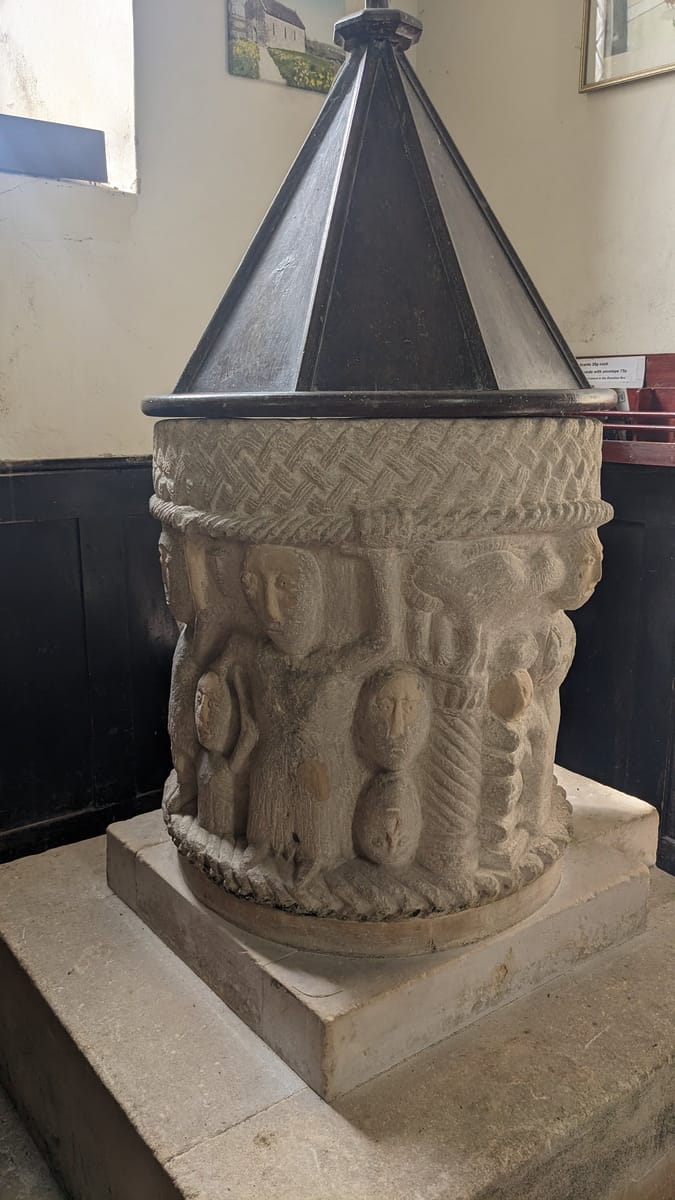
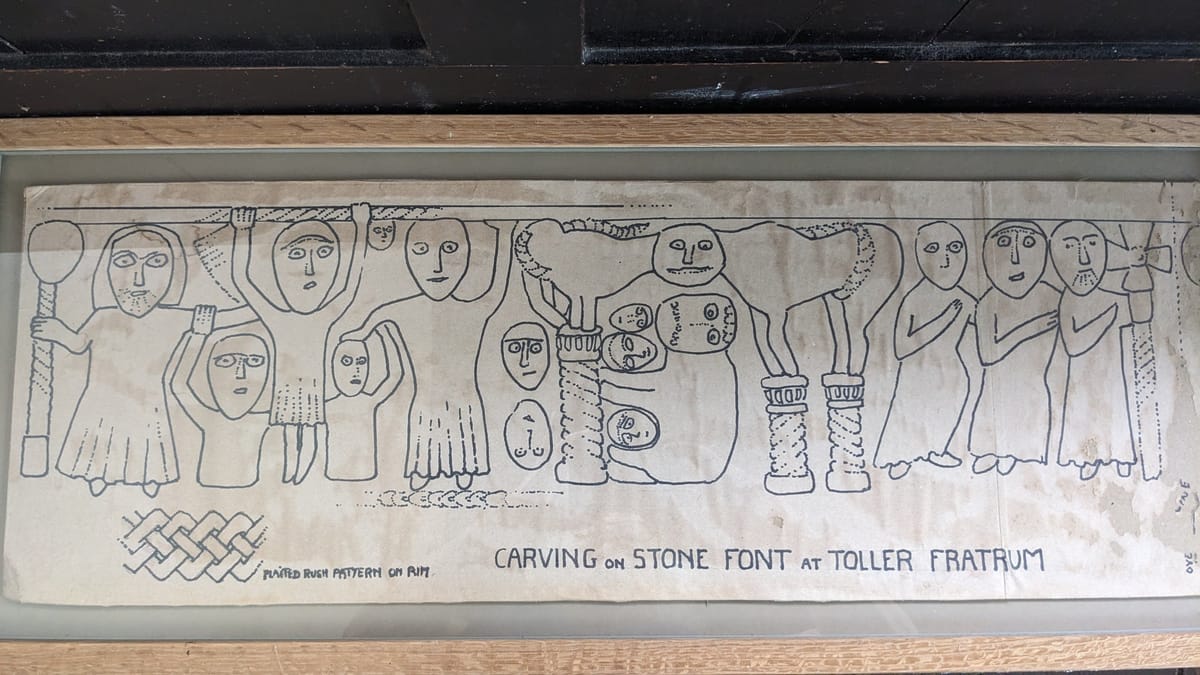
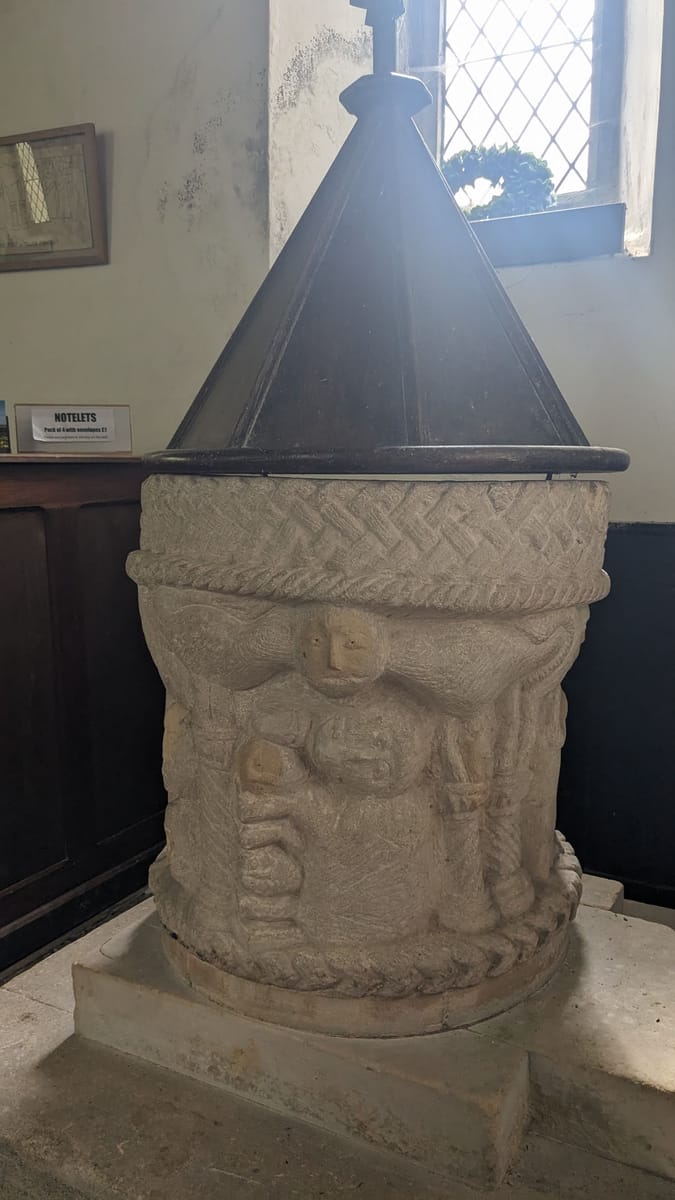
The font is a simple, tub-shaped structure, thought to be of Anglo-Saxon date and most likely made of Purbeck stone, but the carving around the bowl is exceptional. The figures, carved in high relief, depict Biblical characters with upstretched arms or hands clasped in prayer. Their hands grip the rim above, while their eyes peer out at one from the stone.
There are many theories about what or whom these figures may represent: Christ surrounded by the apostles; St Michael leading souls from hell; a four-legged creature standing on columns and sharing a human face with another strange-looking creature; Moses saving the Israelites; a figure that may represent the Holy Spirit; and the Lamb of God. All are open to interpretation.
One thing is certain, though: this is exceptional. It also fascinated John Piper - artist, printmaker and designer. He photographed the font several times and believed that contemporary artists such as Picasso drew inspiration from this early period of sculpture. Looking at these faces, it is easy to see why this might well have been the case.
I have wandered in many places over the years, all interesting and each with its own story to tell, but I think somehow Little Toller will sit within that small, select group of special places which have made a deep and lasting emotional impression on me.